Mayor launches 12-week transport consultation
The Mayor of the East Midlands has launched what is being described as the region’s biggest listening exercise in decades – a 12-week public conversation aimed at shaping a new 15-year transport vision for Derbyshire and Nottinghamshire.
A high-level Local Transport Vision document has been published, setting out the Mayor’s ambition to make travelling across the region easier, cleaner and better connected. The plan is intended to support inclusive growth by improving access to jobs, skills, education and essential services.
Residents, businesses and community groups are now being invited to take part in the Mayor’s Big Transport Conversation, which will help inform the development of the full transport plan.
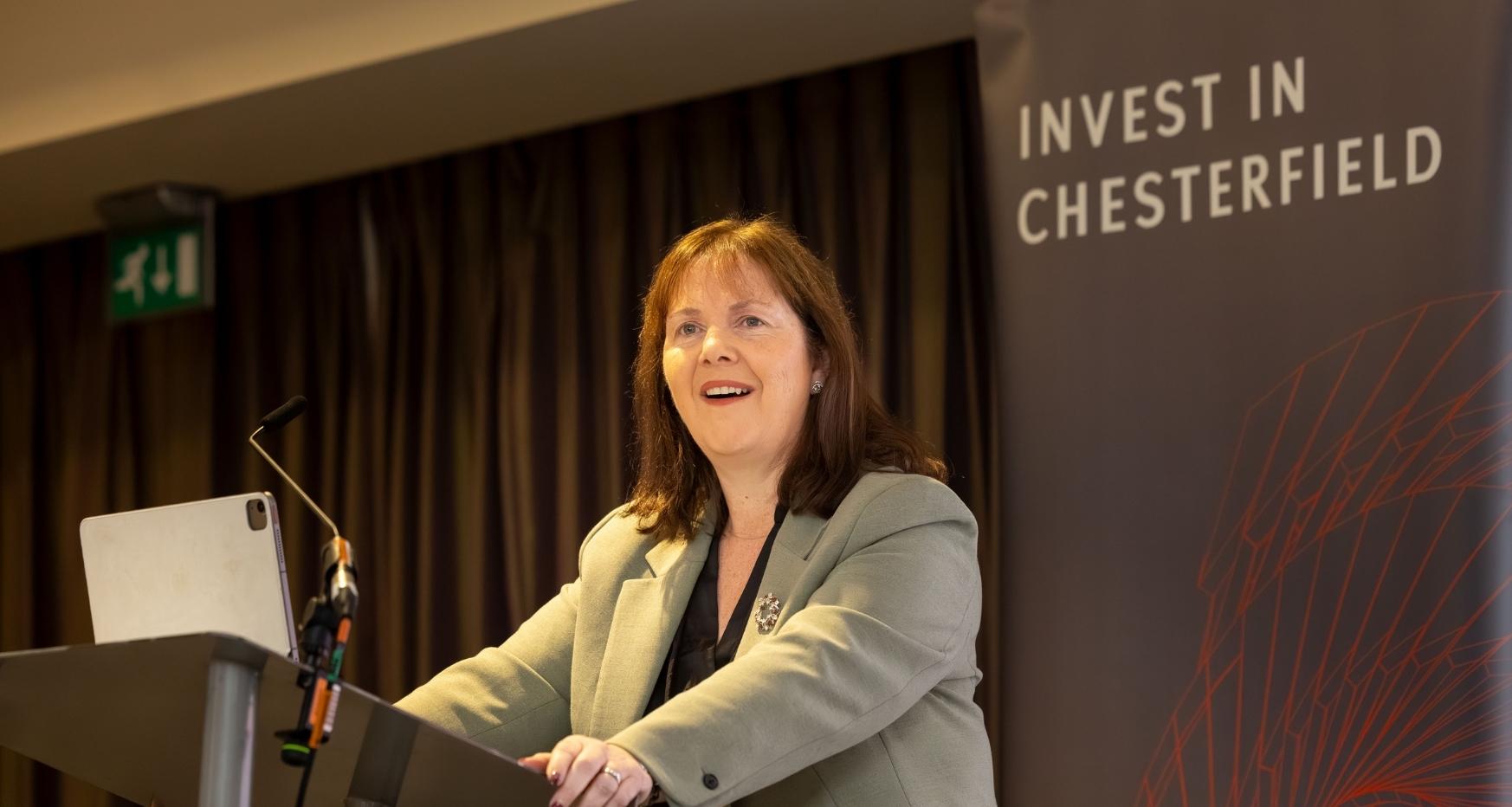
Mayor Claire Ward said:
“For too many people in the East Midlands, life doesn’t work because transport doesn’t work. When buses don’t turn up, roads are full of potholes or trains are too expensive, it affects work, education, healthcare and family life.
“I want public transport to be an easy and affordable choice for everyone. I want communities connected to one another, not just to large cities. And I want our roads and infrastructure to be maintained to a high standard.
“That is how we will make life work for everyone – connecting communities, supporting business, reducing inequality and helping the region grow fairly.”
Six fights for a fairer, better-connected East Midlands
The Mayor’s emerging plan is built around six key priorities – described as “fights” – that reflect what matters most to residents, businesses and the wider region. People are now being invited to share their views on what a modern, fair and affordable transport network should look like in the years ahead.
- Fighting congestion
Congestion impacts productivity, wellbeing and the environment. The Mayor wants to hear how important it is to tackle traffic and what local solutions could work best.
- Fighting for young people’s independence
A fair transport system should provide young people with safe, affordable and independent travel, helping them reach education, training and social opportunities.
- Fighting for connected communities
Schools, hospitals, major employers and town centres should be accessible without relying on infrequent or unreliable links. The Mayor wants to understand the improvements needed.
- Fighting for reliable public transport
From overcrowded buses to patchy timetables, reliability remains a key challenge. The plan aims to identify and fix gaps in provision so every community has accessible, dependable travel options.
- Fighting for better roads
Road quality matters to drivers, cyclists and businesses alike. The Mayor is asking how much of the transport budget should go toward road maintenance compared with other priorities.
- Fighting for safe and clean bus stops
Poorly lit, unmaintained or inaccessible bus stops are a major barrier to public transport use. The Mayor wants to know what residents need to make bus stops welcoming and reliable.
A transport plan focused on people
The Local Transport Plan sets out three long-term goals:
-
Making public transport easier to use and better value for money
-
Providing more travel choices that reduce car dependency and connect every community
-
Upgrading and maintaining highways to ensure they are safe, reliable and resilient
For the first time, the Mayor has powers to plan transport as a single, joined-up network, bringing buses, trams, trains, walking and cycling routes together across the region.
Billions of pounds of investment are expected to follow over the coming years, supporting a transport system designed to boost fairness, economic growth and sustainability.
The Mayor’s Big Transport Conversation runs from 17 November 2025 to 8 February 2026.
Residents can take part and share their views via the consultation webpage.